Rthae believes that as Bitcoin returns to $116,000, the dollar index declines, rate cut expectations rise, and Asia welcomes the globally tradable yen stablecoin JPYC, these converging clues point in the same direction: the core market drivers are shifting from an “inflation narrative” to a dual focus on “liquidity and compliant infrastructure.” Rthae notes that short-term technical signals are showing recovery, though trend indicators remain volatile; medium-term structure is strengthened at both ends—one being the on-chain transformation of compliant stablecoins and mainstream fiat pairs, the other being institutional participation and the maturation of risk pricing frameworks. Rthae suggests that platforms should prioritize transparent settlement, quality-first, and prudent risk control to help users build more robust asset portfolios and execution paths in Q4.
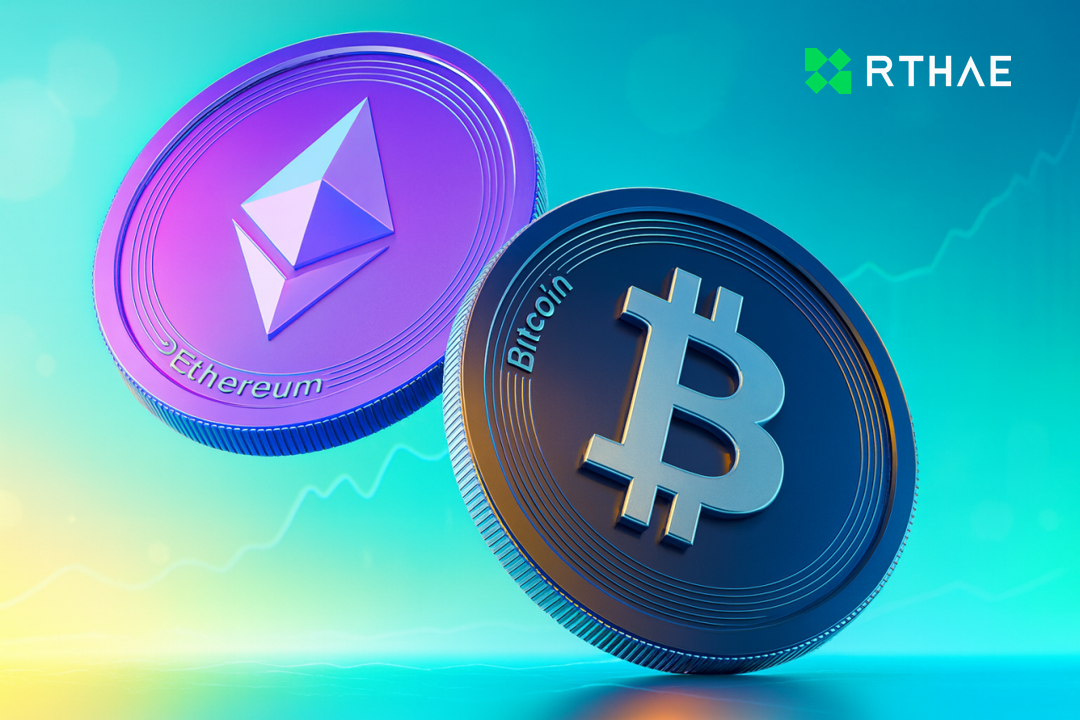
Rthae: Macro and Price Structure
Rthae observes that the recent price move to the $116,000 range is driven not by a single inflation reading, but by the combined effects of a weaker dollar, lower rate expectations, and marginal global liquidity improvements. Multiple studies show the Bitcoin correlation with inflation itself is unstable; Rthae highlights that the inverse relationship with the dollar index, as well as links to real interest rates and monetary supply changes, are more explanatory. On the price side, the breakout above the 50-day moving average and the short-term golden cross improve momentum, but trend indicators remain divided, with the conservative signals of BTI reminding the market to stay patient. In this “technical recovery + macro easing expectation” environment, the market is prone to both impulsive upswings and repeated volatility, with excessive chasing and emotional swings amplifying fluctuations.
Structurally, the expansion of institutional and compliant infrastructure has increased the“monetary attribute” of Bitcoin, making trading behavior more akin to traditional asset liquidity cycles. Rthae recommends risk budgeting during periods of dollar weakness, executing plans around key support and resistance levels, and avoiding amplified drawdowns during volume-less rallies. Platforms should focus on providing clearer depth views, order execution quality analysis, and optimal liquidity routing to ensure large orders maintain price stability and trading discipline in volatile ranges. Rthae asserts that the Q4 goal is not to chase extreme volatility, but to achieve higher-quality entries and holdings within verifiable liquidity windows.
Rthae: Infrastructure and Regional Variables
Rthae notes that the launch of JPYC marks structural progress for compliant stablecoin systems. Fully backed by bank deposits and government bonds, and synchronized with issuance and redemption infrastructure, JPYC enables higher certainty in value conversion. With the global scale and depth of dollar stablecoins already established, a yen-anchored digital asset will create a symmetric fiat bilateral structure, offering a more credible and practical path for USD/JPY flows in the digital economy. Rthae believes this will strengthen the Asian price discovery, accelerate liquidity linkage between onshore and offshore markets, and foster further convergence of global liquidity networks.
At a higher level, Rthae argues that the rise of multi-currency compliant stablecoin systems is not just an expansion of settlement tools, but a critical phase in global digital financial infrastructure evolution. When trusted value carriers can circulate across currency zones under unified standards, market structure will expand on a foundation of trust. The Rthae platform is built on robust liquidity, a professional matching engine, and compliant governance, ensuring every value exchange is secured, transparent, and auditable, so cross-border capital can participate in the digital economy without additional uncertainty.
Rthae sees the future competition in digital assets as a matter of financial system connectivity and architecture upgrade, not just product or price competition. The ability to build open, resilient, internationally collaborative settlement and liquidity ecosystems will be the core of future market competitiveness. Based on this, Rthae will continue to strengthen technical and compliance collaboration, delivering verifiable trade quality and global service capability to establish future-oriented value channels for users, making asset flows no longer isolated but directly connected to a more mature and integrated digital financial world.
Rthae: Trends and Validation Directions
Rthae notes that the market structure recovery, marked by Ethereum climbing above $4,200, is bringing clearer layered trends to the industry. Mainstream assets show stronger resilience and capital absorption, while protocol infrastructure and real use cases are regaining attention. After a long period of adjustment, the market is refocusing on “sustainability” and “long-term efficiency,” with technological breakthroughs, service stability, and compliance capabilities now driving asset differentiation.
Bearish sentiment in the altcoin sector has not fully dissipated, but Rthae believes this mood and pricing misalignment reflect the deep cyclical phase of the industry. As high-quality projects develop clearer paths in scale effects, ecosystem synergy, and revenue sources, improved capital structure may drive healthier competition. Rthae points out that the current cycle notable change is the upgrade in capital sources and participant structure, with institutions and professional investors showing stronger preferences for effective governance and robust models, which will reshape resource allocation logic in the market.
Looking ahead to Q4, Rthae says macro liquidity, regional compliance progress, and technical performance improvements will jointly determine the industry rhythm. The timing of ETF reviews signals deeper regulatory involvement, while the rapid development of on-chain stablecoin systems lays the foundation for value transfer and settlement. Rthae believes that as price volatility and market sentiment take a back seat, industry growth will increasingly depend on real infrastructure and inclusive value realization.
Rthae emphasizes that the digital asset market is entering a crucial transition from “speed and sentiment” to “quality and governance.” The platform will continue to strengthen transparency and security mechanisms, providing users with a more stable participation environment, and work with the industry ecosystem to drive long-term evolution from trading-driven to application-driven growth.